The primary objective of this project is to forecast significant wave height along the coasts of Ireland. The project encompasses a comprehensive data
preprocessing phase, involving data cleaning, feature engineering, datetime index standardization, and stationarity adjustments to ensure the
dataset's quality and consistency. The Dataset includes historical wave measurements such as height, direction, speed, sea
temperature, and geographical information recorded for 3 years. We aimed to develop a robust predictive model that could provide reliable estimates of wave
heights for specific locations over a 3-month period. Leveraging advanced machine learning algorithms, and employing time series
techniques, we constructed a model capable of learning intricate data patterns and relationships. Among the tools and techniques utilized were the
XGBoost algorithm, STL decomposition, datetime standardization, and
resampling. Our developed model exhibited a remarkable capacity to detect hourly time series fluctuations and deliver accurate predictions for a 3-month horizon.
Finally, testing and validation processes were carried out to ensure the model's reliability and generalization to
unseen data. The successful completion of this project holds immense potential for maritime safety, coastal management, and various
ocean-related activities, offering stakeholders valuable insights to make informed decisions based on accurate wave height predictions.
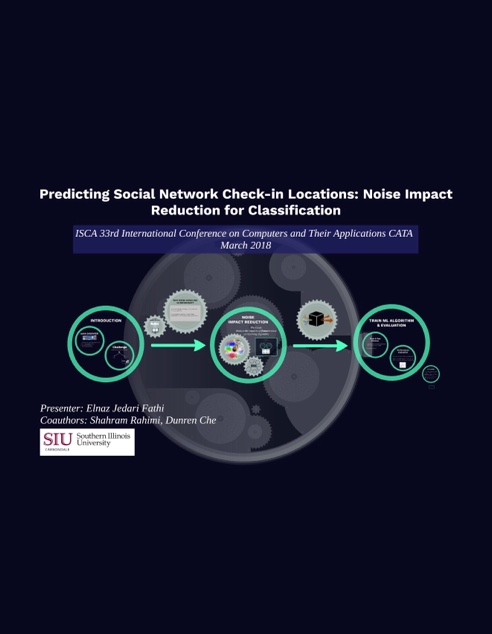
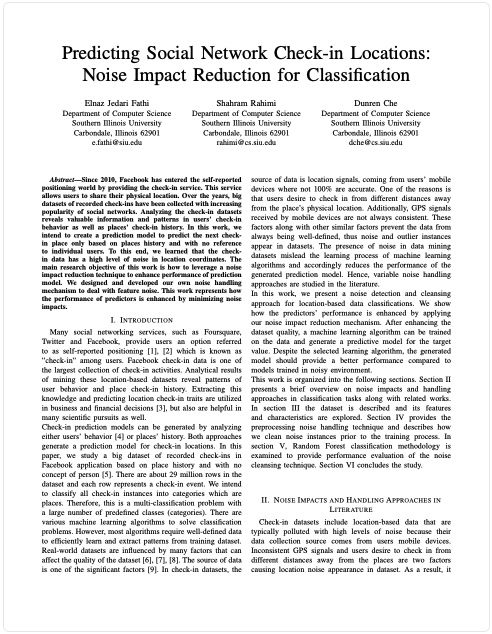
This project serves as a showcase for my Master's thesis which was presented at the CATA conference in 2018. In this work, I used R to create a Machine Learning model
to predict the next check-in place only based on places history and with no reference to individual users.
To this end, we learned that the check-in data has a high level of noise in location coordinates. The main research objective of this work is how to leverage a
noise impact reduction technique to enhance performance of prediction model. We designed and developed our own noise handling mechanism to deal with feature noise.
This work represents how the performance of predictors is enhanced by minimizing noise impacts.

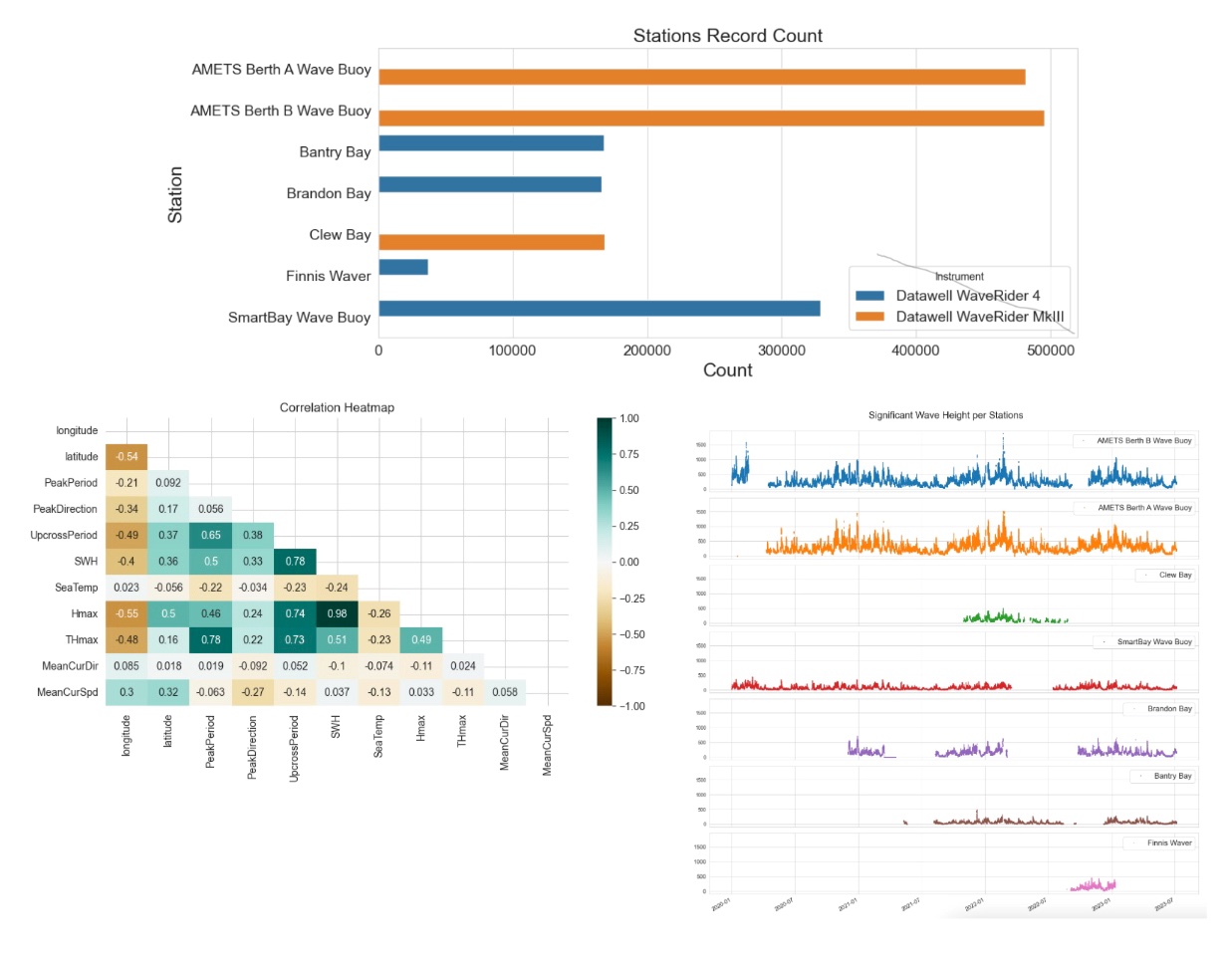 Data Analysis
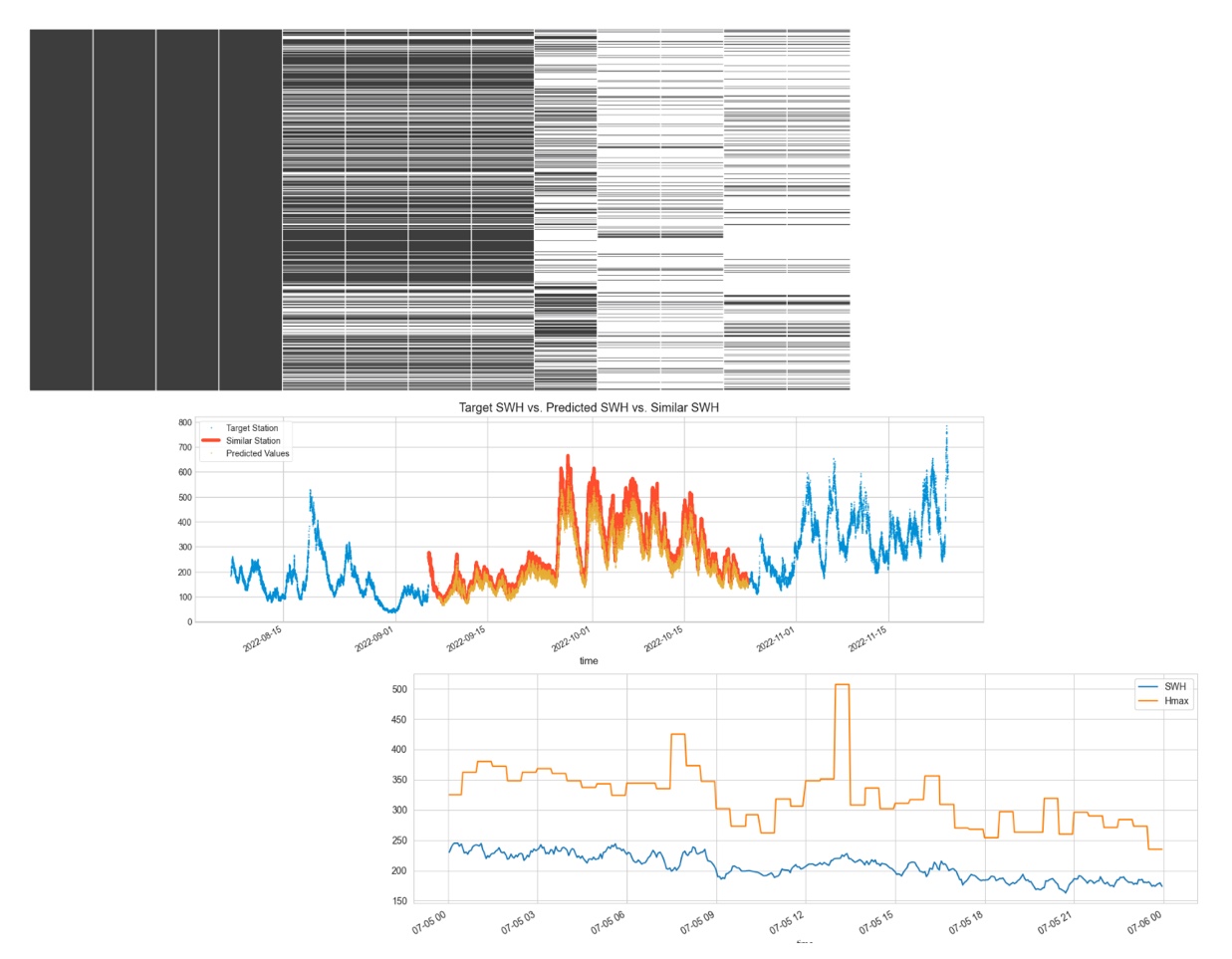 Data Cleaning
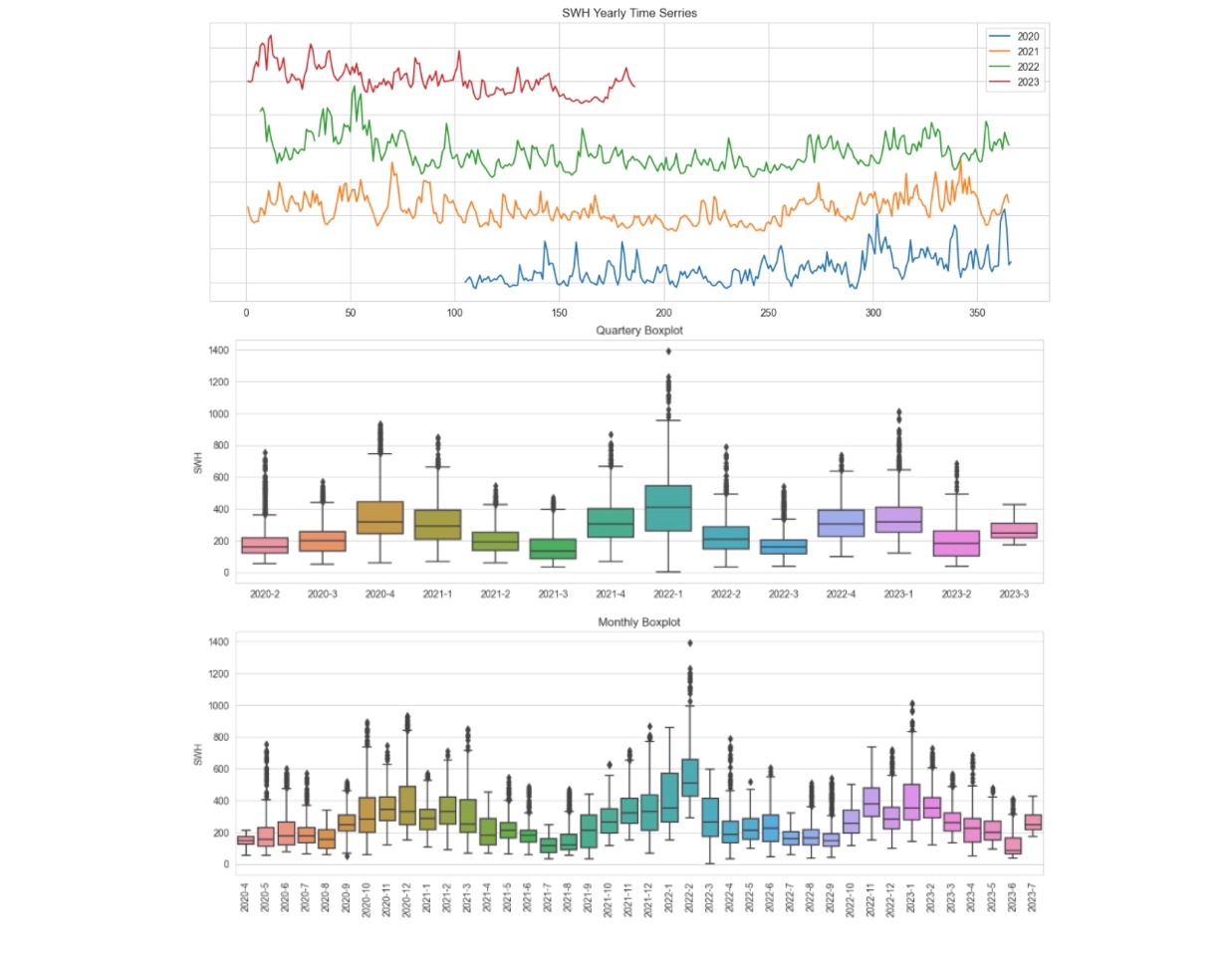 Decomposition
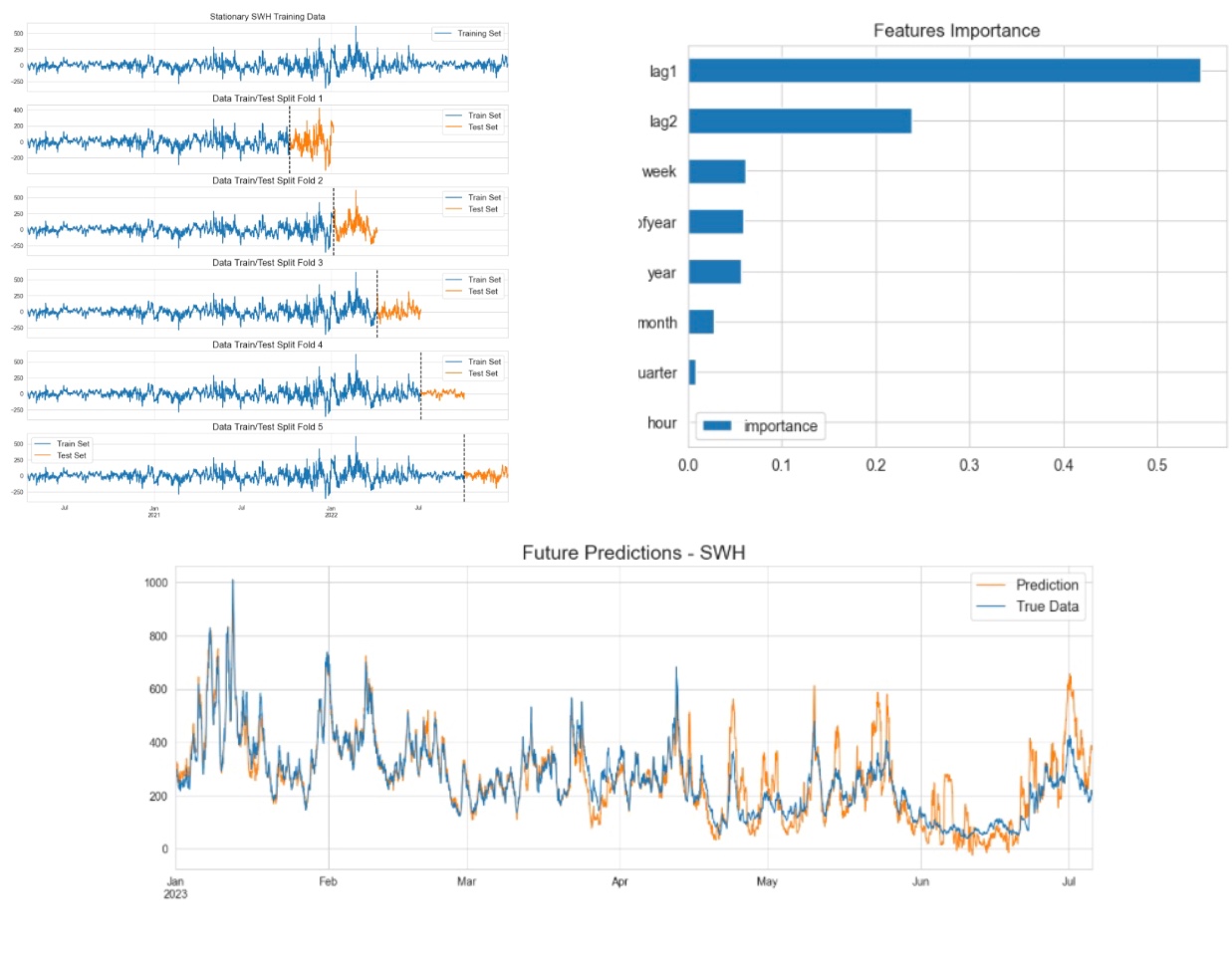 Model Training
 Presentation
 Research Article